What makes a reusable bag truly sustainable? Materials, certifications and greenwashing explained
A reusable bag is truly sustainable when it is durable, practical, used repeatedly, made from an appropriate material and supported by clear, honest environmental information. Materials such as cotton, organic cotton, canvas, jute, recycled fabrics and rPET can all be sustainable choices when matched to the right use and described accurately.
For UK businesses choosing bags for retail, packaging, events or promotions, sustainability is not just about picking a bag that looks natural or uses the word “eco”. A genuinely sustainable reusable bag should reduce reliance on single-use packaging, last long enough to be reused many times and avoid vague or misleading environmental claims.
At Ecoduka, we supply a wide range of reusable bags, including cotton, canvas, jute, organic cotton, recycled, rPET, Fairtrade and certified options. This guide explains how to compare materials, understand certifications and avoid greenwashing when choosing sustainable reusable bags for your business.
Quick answer: what makes a reusable bag sustainable?
A reusable bag is sustainable when it meets five key criteria:
| Sustainability factor | Why it matters |
| Durability | The bag must be strong enough for repeated use |
| Practicality | Customers find it useful and easy to reuse |
| Material choice | The material should suit the bags purpose |
| Clear information | Claims should explain what the bag is made from |
| Certifications | Recognised standards can support trust and transparency |
The most sustainable reusable bag is not always the same product for every business. A cotton tote may be ideal for events, a jute bag may suit grocery or hamper use, and an rPET bag may be better for a recycled-material campaign.
Why reuse is the most important factor
The environmental value of a reusable bag depends heavily on whether it is actually reused. A bag that is used once and thrown away has limited sustainability value, even if it is made from natural, recycled or certified materials.
A sustainable reusable bag should be:
- Strong enough for repeated use
- Suitable for the product it carries
- Comfortable and practical for customers
- Well-designed so that people want to keep it
- Easy to store, fold or transport
- Clearly described without exaggerated claims
For example, a lightweight cotton bag may work well for exhibitions or retail packaging, while a strong jute shopper may be better for groceries, hampers or heavier products.
Which reusable bag materials are sustainable?
Different reusable bag materials offer different sustainability benefits. The best choice depends on use, budget, branding and the environmental message your business wants to communicate.
| Material | Best for | Sustainability benefit |
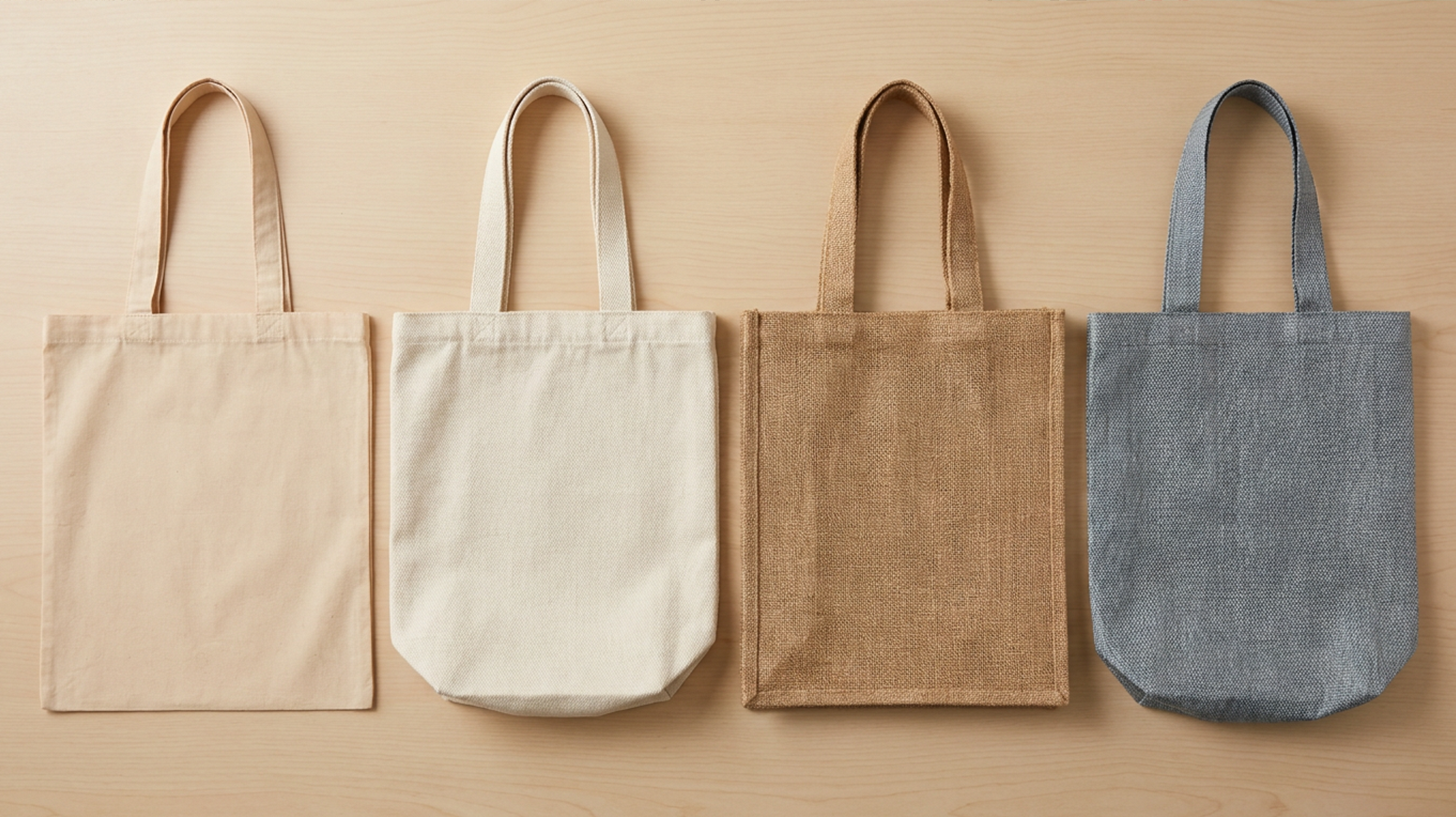
| Cotton | Retail, events, giveaways | Natural, reusable and easy to print |
| Organic cotton | Premium sustainable branding | Produced to organic standards |
| Canvas | Merchandise and gifting | Durable and long-lasting |
| Jute | Grocery, hampers and natural brands | Strong natural fibre |
| rPET | Campaigns and promotions | Made using recycled PET materials |
| Recycled fabric | CSR and sustainability campaigns | Supports recycled-content messaging |
| Non-woven | Large volume events | Lightweight and reusable at scale |
Ecoduka supplies a wide range of sustainable bag materials, including cotton bags, organic cotton bags, canvas bags, jute tote bags, rPET bags and recycled tote bags.
Are cotton and canvas bags sustainable?
Cotton bags can be sustainable when they are reused regularly. They are popular because they are lightweight, versatile and easy to print, making them suitable for shops, events, charities, schools and promotional campaigns.
Organic cotton bags offer stronger sustainability credentials because the cotton is produced to organic standards. For businesses that want clearer environmental positioning, organic cotton bags can be a good choice.
Canvas bags are usually thicker and more durable than standard cotton bags. This makes canvas bags suitable for premium merchandise, staff welcome packs, corporate gifting and retail products where long-term reuse is important.
Are jute bags sustainable?
Jute bags are often considered a sustainable reusable bag option because jute is a strong natural fibre. Jute has a distinctive textured look, making it popular with grocery shops, farm shops, garden centres, hamper companies and natural product brands.
Jute tote bags are especially useful when a bag needs to carry heavier items. However, businesses should still choose jute because it suits the intended use, not simply because it looks “green”.
A jute bag with clear branding, practical handles and a useful size is more likely to be reused, which improves its sustainability value.
Are recycled and rPET bags sustainable?
Recycled and rPET bags can be sustainable choices because they use recycled materials. rPET is made from recycled PET material and is often used for promotional bags, retail campaigns and CSR projects.
For businesses that want to highlight recycled content, rPET bags, recycled tote bags and recycled drawstring bags can support a clearer sustainability message.
Why certifications matter for reusable bags
Certifications help businesses choose reusable bags with clearer evidence behind their sustainability claims. They can support transparency around material sourcing, organic production, recycled content, labour standards or supply chain practices.
Certified bags are especially useful for businesses with ESG goals, procurement requirements, public-sector contracts or sustainability reporting needs.
Ecoduka’s certified bags collection includes options such as Fairtrade bags and organic cotton bags. These products can help businesses choose reusable bags with stronger sustainability credentials.
Certifications do not make every product perfect, but they help reduce uncertainty and make environmental claims easier to verify.
What is greenwashing in reusable bags?
Greenwashing is when a product makes environmental claims that are vague, exaggerated or unsupported. In reusable bags, this can include phrases such as “100% eco-friendly”, “completely green” or “planet safe” without explaining the material, reuse potential or certification behind the claim.
Common greenwashing warning signs include:
- No clear material information
- Vague claims such as 'eco' without explanation
- No evidence for organic or recycled content
- Claims based only on natural colours or appearance
- No mention of durability or reuse
- Sustainability claims that sound absolute or unrealistic
A reusable bag does not need to be perfect to be a better choice, but the claims around it should be accurate, specific and easy to understand.
How to choose a truly sustainable reusable bag
Before ordering reusable bags, ask:
- What material is the bag made from?
- Is it strong enough for repeated use?
- Will customers actually reuse it?
- Is a certified option available?
- Is recycled or organic content important?
- Can the bag be printed clearly?
- Are the environmental claims specific and accurate?
For branded bags, design also matters. A well-designed bag that people like using will usually deliver better sustainability value than a poorly designed bag that is quickly discarded.
Choose sustainable reusable bags with Ecoduka
A truly sustainable reusable bag is durable, practical, honestly described and suitable for its purpose. Cotton, canvas, jute, organic cotton, recycled fabrics and rPET can all be responsible choices when used correctly and supported by clear information.
Explore Ecoduka’s reusable bags, certified bags, organic cotton bags, Fairtrade bags, rPET bags and recycled tote bags, or contact the Ecoduka team for advice on choosing the right sustainable reusable bag for your business.


