Jute vs Cotton vs rPET: 2026 comparison
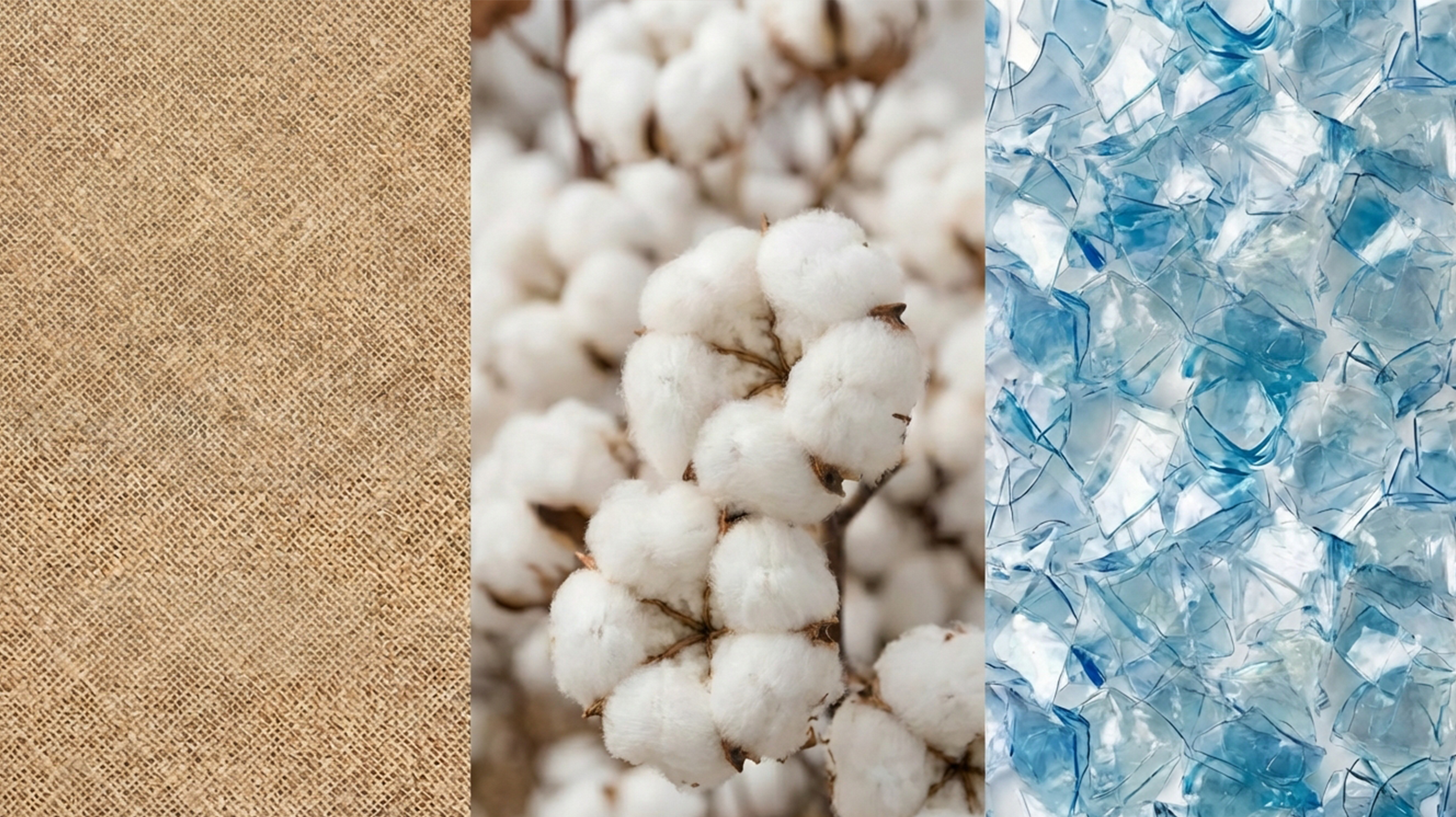
A practical guide to choosing the most eco-friendly reusable bag material for your needs in 2026
Choosing a reusable bag is no longer just about convenience. In 2026, shoppers are actively researching eco-friendly bag materials to understand which option offers the best balance of sustainability, durability, and value. If you are comparing jute vs cotton bags, or wondering where rPET bags fit into the picture, this guide breaks it all down clearly.
This comparison explains the real differences between jute, cotton, and rPET so you can confidently choose the material that best fits your lifestyle and environmental priorities.
Why reusable bag materials matter in 2026
Reusable bags are only sustainable if they are used repeatedly and appropriately. The material determines how long a bag lasts, how it performs during everyday use, and what happens at the end of its life.
How material choice affects sustainability
Some materials are natural and biodegradable, while others are recycled and designed to reduce plastic waste. Understanding this distinction helps you make an informed decision rather than choosing based on appearance alone.
Why consumers are researching bag materials before buying
With increased awareness around greenwashing, shoppers want transparency. Knowing how a bag is made, how long it lasts, and its environmental trade-offs is now part of responsible purchasing. If transparency is what you are looking for, have a look at some of our Aware™ tracer technology bags.
Jute bags: Strength and natural sustainability
Jute bags are made from plant-based fibres and are known for their durability and structure.
What jute bags are made from
Jute is a fast-growing natural fibre harvested from jute plants. It requires minimal chemical processing, making it one of the more environmentally straightforward materials.
Environmental impact of jute bags
Jute is biodegradable and renewable. When used long-term, jute bags offer a strong sustainability profile, particularly for shoppers focused on reducing synthetic materials.
When jute bags are the best choice
Jute bags are ideal for heavier grocery shopping, bulk purchases, and situations where strength and longevity are essential. They are well suited for people who want a sturdy bag they can rely on week after week.
Cotton bags: Versatile and everyday-friendly
Cotton bags remain one of the most popular reusable shopping bag options due to their comfort and versatility.
Types of cotton used in reusable bags
Reusable cotton bags are typically made from natural cotton fibres. Some are thicker canvas-style bags, while others are lighter for everyday use.
Sustainability considerations of cotton bags
Cotton is biodegradable, but its production can require significant water resources. The environmental impact improves significantly when cotton bags are reused many times over their lifespan.
Who cotton bags are best suited for
Cotton bags are ideal for daily errands, lighter grocery trips, and shoppers who value comfort and washability. They are often the easiest entry point for beginners switching to reusable bags.
rPET Bags: Recycled materials and practical performance
rPET bags are made from recycled plastic bottles and represent a different approach to sustainability.
What rPET bags are and how they are made
rPET stands for recycled polyethylene terephthalate. Plastic bottles are collected, processed, and transformed into durable fibres used to make reusable bags.
Environmental benefits of rPET bags
By repurposing existing plastic waste, rPET bags help reduce landfill and ocean pollution. They are a strong option for those focused on circular economy solutions.
Ideal uses for rPET reusable bags
rPET bags are lightweight, foldable, and water-resistant, making them well suited for travel, on-the-go shopping, and keeping in a car or backpack.
Jute vs Cotton vs rPET: Which material Is best for reusable bags?
There is no single material that works best for every situation. The right choice depends on how and how often you plan to use the bag.
Best reusable bag material for heavy shopping
Jute is the strongest option and performs best when carrying heavier loads or bulk groceries.
Best reusable bag material for everyday use
Cotton offers a balance of comfort, flexibility, and durability for regular shopping trips.
Best reusable bag material for portability
rPET is the most convenient option for compact storage and quick, unplanned purchases.
Which Is the most eco-friendly bag material in 2026?
When asking which is the most eco-friendly bag material in 2026, the answer depends on use rather than labels.
Biodegradable vs recycled materials
Jute and cotton naturally break down at the end of their life. rPET prevents plastic waste from entering landfills by giving it a second purpose.
Why reuse matters more than material alone
A bag that is reused hundreds of times will always outperform one that is rarely used, regardless of material. Sustainability improves with consistent, long-term use.
How to choose the right reusable bag for your lifestyle
Rather than choosing one material exclusively, many shoppers benefit from using multiple bag types.
Questions to ask before choosing
How much weight will you carry? How often will you use the bag? Will you need it to fold or stay structured?
Matching bag material to shopping habits
Using jute for groceries, cotton for everyday errands, and rPET for travel creates a practical and sustainable system.
Why owning more than one bag material makes sense
Different situations require different strengths. A small collection of well-used bags is more sustainable than relying on one option that does not suit every need.
Final thoughts: Making a smarter reusable bag choice
The cotton vs jute vs rPET comparison shows that sustainability is not about choosing a perfect material, but about choosing intentionally.
- Jute offers strength and biodegradability.
- Cotton provides comfort and versatility.
- rPET supports recycled materials and convenience.
The most sustainable choice is the one you will use consistently. By selecting the right reusable bag materials for your lifestyle, you reduce waste, shop more responsibly, and make a meaningful environmental impact in 2026 and beyond.


